Correct Pack - Professional Coding and Marking Machine Manufacturer
Language
Printing clear, reliable codes on food packaging is a vital part of daily production. To keep operations running efficiently, your printing equipment must adapt to your specific materials, production line speeds, and strict safety standards. With several technologies on the market, knowing exactly what to evaluate makes all the difference. This guide breaks down the essential factors to help you select the ideal inkjet printer for food packaging.
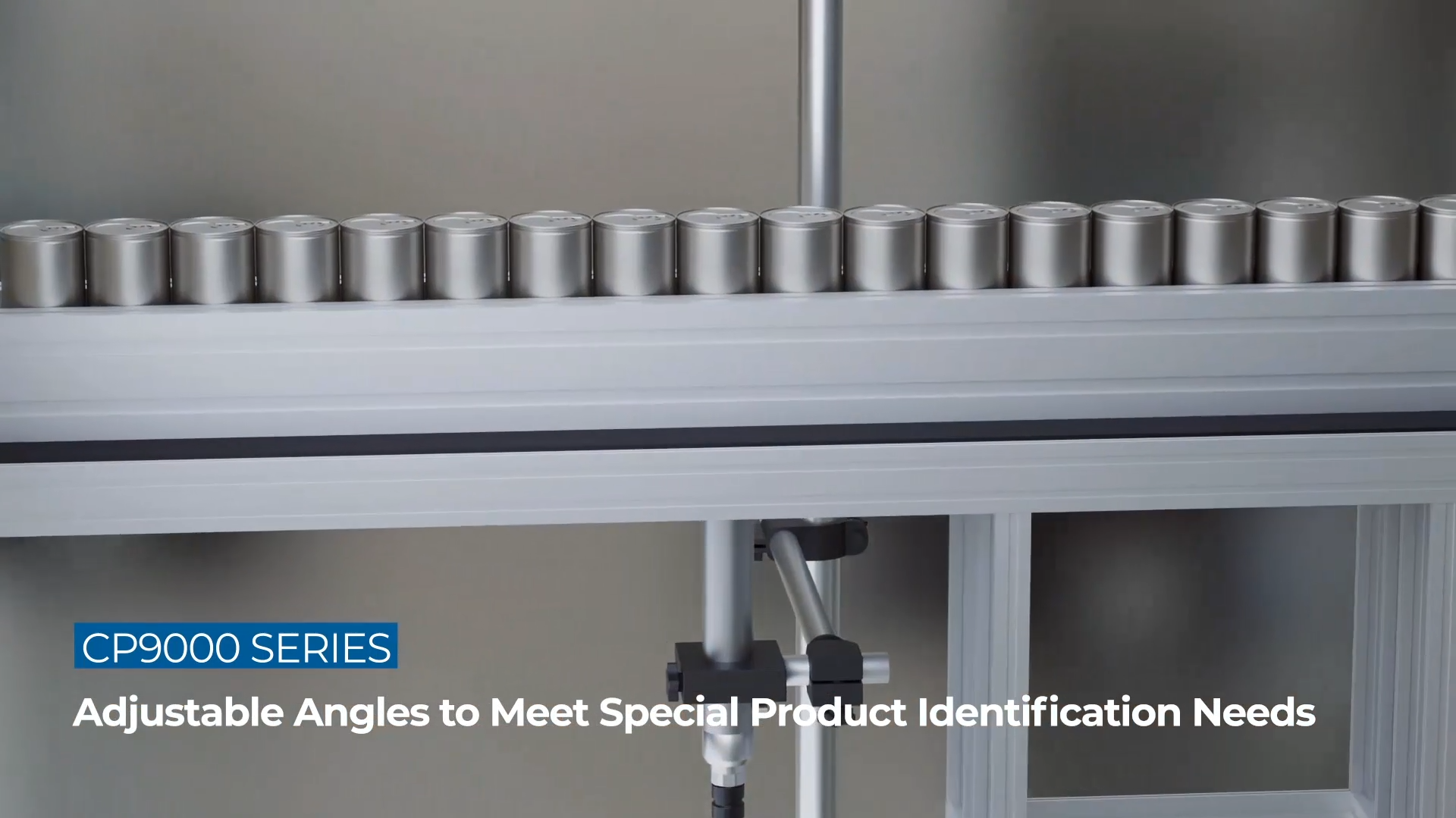
Before evaluating printer models or hardware specifications, you must analyze your specific production environment to choose the best inkjet printer for food packaging. A coding system that performs flawlessly on dry paper cartons may fail on cold, condensation-heavy beverage lines.
Food packaging utilizes a vast array of materials, each presenting distinct surface properties. While porous materials like cardboard typically absorb water-based inks easily, non-porous substrates such as PET and metallic foils generally require fast-drying solvent-based inks. However, surface texture dictates the final choice just as importantly; uneven surfaces demand technologies capable of jetting ink accurately over varying distances, whereas flat surfaces allow for closer, high-resolution marking.
Packaging line velocity directly dictates the required printing performance. High-speed bottling lines running continuously require ultra-fast technologies to ensure crisp characters. Conversely, intermittent or slower lines offer more flexibility for high-density graphic printing. Regardless of technology, dynamic velocity tracking via encoder integration is universally critical to maintain consistent code spacing during inevitable speed fluctuations.
The complexity of your data fundamentally shifts your hardware requirements. Simple expiration dates typically only need basic alphanumeric text capabilities. However, shifting traceability mandates increasingly require data-dense 2D DataMatrix or QR codes, which demand high-resolution printheads. Furthermore, printing high-impact logos directly onto outer packaging requires flexible print heights and advanced graphic rendering capabilities.
Food packaging codes follow traceability elements strictly. The ink itself must often be food-safe or specifically formulated to eliminate chemical migration risks through primary packaging barriers. Additionally, codes must remain legible throughout distribution cycles and cold storage to comply with global traceability frameworks, while the equipment design should resist moisture ingress during facility washdowns.
Selecting the right industrial inkjet printer for packaging involves evaluating continuous versus drop-on-demand delivery methods. Rather than viewing these technologies as mutually exclusive, it is best to understand their core strengths to see where they overlap and where they specialize.
Continuous Inkjet Printers (CIJ) operate by ejecting a continuous stream of electrically charged ink droplets, directing only the necessary droplets onto the substrate via deflection plates. It is traditionally the go-to solution for fast-moving production lines printing small alphanumeric characters on non-porous, curved, or irregular surfaces. The primary advantage is its exceptional printing speed and a long throw distance of up to 12mm between the printhead and the product. Fast-drying solvent inks bond quickly to challenging materials. While incredibly versatile, these systems do require regular chemical fluid refills and scheduled preventive maintenance for internal fluid pumps to ensure peak performance.
Thermal Inkjet (TIJ) technology uses thermal heat to create a vapor bubble inside a cartridge nozzle, propelling precise droplets onto the packaging surface. This method is highly favored for producing high-resolution 2D barcodes, complex logos, and clear date codes on flat surfaces. Delivering ultra-high resolution up to 600 DPI, TIJ ensures superior barcode readability with near-zero maintenance, as replacing the ink cartridge effectively replaces the entire printhead. The main limitation is a typically short throw distance requiring precise product guidance. However, advancements in specialized cartridges are steadily expanding its application beyond just flat, porous substrates.
Piezo Inkjet (PIJ) printers utilize piezoelectric crystals that change shape when electrical voltage is applied, forcing ink droplets out of the nozzles strictly on demand. This technology is optimized for large character printing, wide-format barcodes, and high-resolution branding graphics directly on outer secondary shipping boxes. By providing wide print coverage, PIJ systems drastically reduce inventory costs by eliminating the reliance on expensive pre-printed cardboard boxes. While the initial hardware investment might be higher, the long-term savings on secondary packaging materials offer significant value, provided the cartons maintain a relatively controlled distance from the print array.
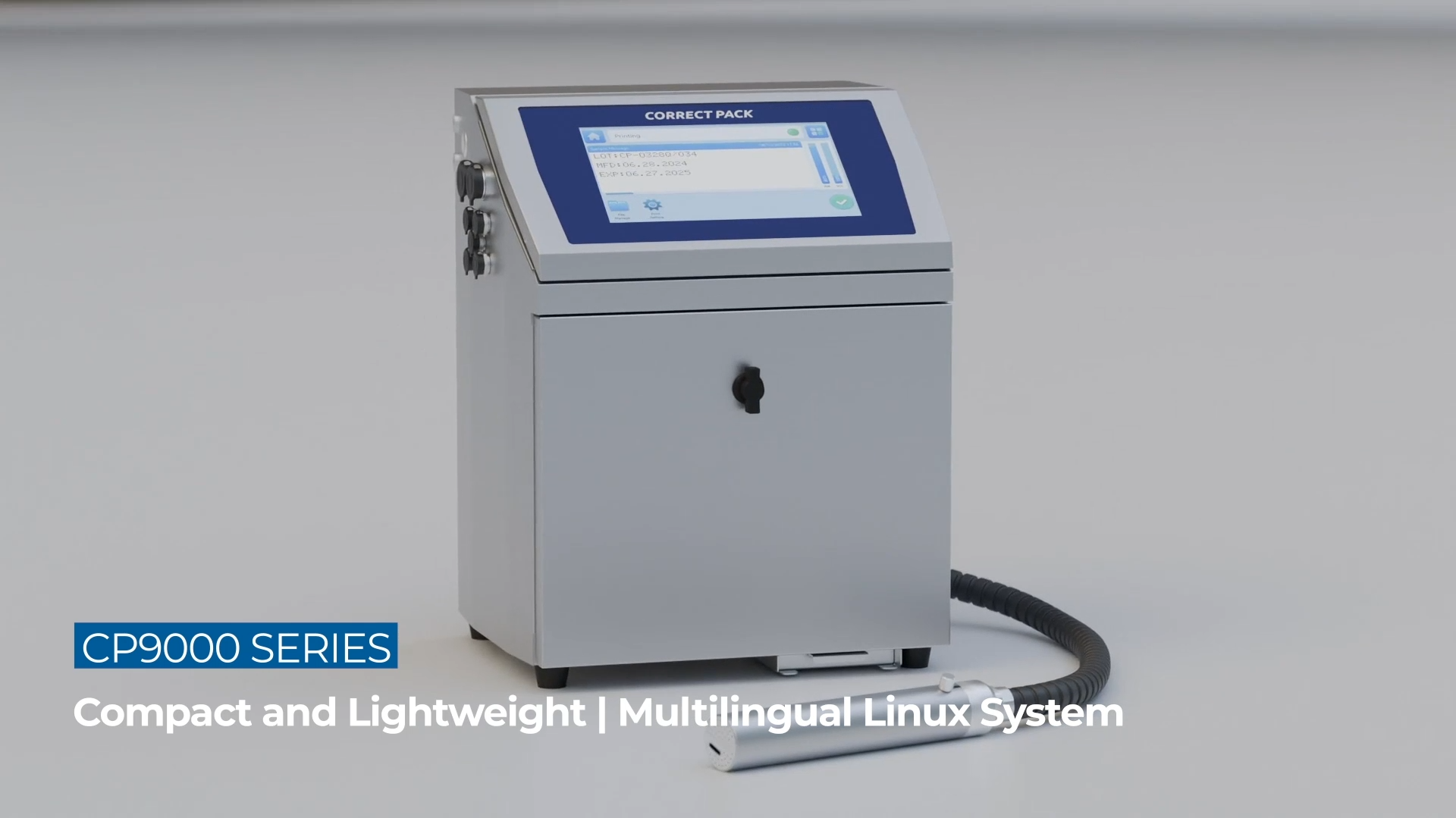
Beyond basic specs, evaluating long-term operational factors will help you make a future-proof equipment decision that keeps your factory running smoothly.
A code holds no value if it smudges during transit or fades in cold storage. Depending on your supply chain, printed marks must resist severe abrasion, heavy moisture, or freezing temperatures. Because ink adhesion varies wildly even between similar plastics, always perform real-world sample testing on your exact packaging substrates to verify long-term legibility before finalizing any equipment investment.
Hardware specifications mean little without the correct ink chemistry. Your application may demand fast-drying solvents for high-speed lines, strictly regulated food-contact inks for inner wrappers, or specialized thermochromic fluids that visually verify steam retort sterilization. Identifying the proper ink formulation early prevents chemical migration risks and guarantees that your codes remain permanently visible across diverse retail environments.
An ideal inkjet printer for packaging must integrate smoothly into current automation architectures without creating physical or digital bottlenecks. The printhead brackets must securely fit your specific conveyors or form-fill-seal machines. Furthermore, verifying software compatibility with standard industrial communication protocols alongside simple plug-and-play connections for external product sensors ensures seamless data synchronization across your entire factory floor.
Unexpected hardware failures lead to devastating operational losses, particularly when perishable food items are awaiting packaging. Seek out industrial printers engineered with automated self-cleaning printheads or modular quick-swap components that greatly reduce manual operator intervention. Additionally, specifying robust IP65-rated stainless steel enclosures is absolutely essential if your facility protocols demand frequent high-pressure chemical washdown routines.
Evaluating marking equipment based strictly on the upfront purchase price usually creates a misleading financial picture. A comprehensive total cost of ownership calculation balances capital expenditure against ongoing operating expenses, such as daily fluid consumption, routine maintenance parts, and potential downtime risks. Prioritizing low-maintenance, energy-efficient systems ultimately delivers a vastly superior return on your operational investment.
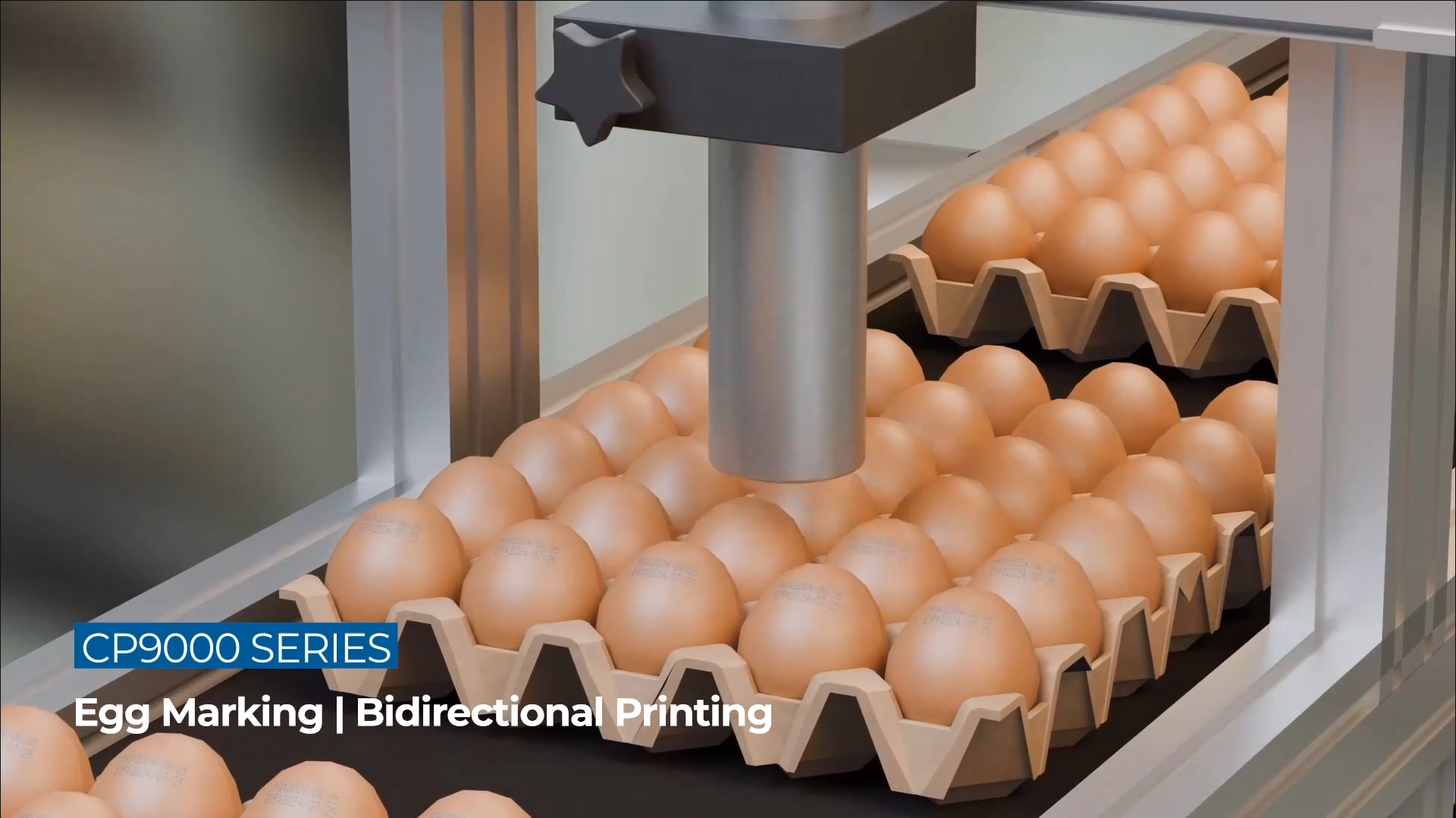
Selecting a printer based solely on the packaging material is a common oversight. The optimal technology depends heavily on code placement, line speed, and the specific material handling capabilities of your facility. Here is how different technologies apply across common formats.
Flexible packaging like snack wrappers moves rapidly down the line. Continuous Inkjet Printers perfectly handle the slight fluttering of fast-moving films thanks to their long throw distance and fast-drying inks. However, Thermal Inkjet (TIJ) is critical when integrated into form-fill-seal machinery. When the film is pulled tight before bag forming, TIJ effortlessly applies the ultra-high-resolution barcodes that traditional systems cannot match.
Beverage lines handling glass jars and PET bottles operate at extreme speeds. For marking curved areas like bottle necks, CIJ remains the standard because it shoots ink accurately through cold condensation. Conversely, if your brand requires high-density QR codes for consumer promotions, TIJ printers are ideal. This technology works flawlessly provided the complex code is applied directly to a flat bottle cap or a dry label.
Paper packaging demands distinct solutions for retail cartons and shipping boxes. For primary folding cartons, TIJ is preferred because it delivers crisp text and scannable barcodes onto flat surfaces effortlessly. Conversely, for secondary outer packaging, Piezo Inkjet (PIJ) dominates. These robust systems print large logos and shipping barcodes directly onto corrugated cardboard, completely eliminating the costly need for pre-printed outer boxes.
Metal packaging involves harsh conditions where Continuous Inkjet Printers naturally excel. They handle oily surface films on tinplate effortlessly and utilize specialized thermochromic inks that physically change color during steam retort processing. Despite this dominance, TIJ systems are increasingly chosen for premium products. Specialty brands frequently use TIJ to print high-resolution promotional codes on flat aluminum can lids, provided the handling machinery maintains a strictly close printhead distance.
Selecting the perfect inkjet printer for food packaging means carefully balancing specific packaging materials, fluctuating line velocities, and strict compliance rules against long-term operational costs. Because navigating these overlapping technical demands can easily overwhelm a production team, partnering with a seasoned marking expert is crucial for success.
Backed by decades of industry expertise, Correct Pack delivers premium continuous, thermal, and piezo printing systems precisely tailored for food manufacturing. We provide highly dependable traceability solutions that streamline operations. Contact our experts today to customize your facility's coding setup.
Science and technology oriented, continuous improvement, Correct Pack always committed to providing customers with valuable products and satisfy services
China Coding & Marking Machine Manufacturer
Correct Pack Technology Company
Address: Floor 3, Building 1, No. 728, Jinhu Road, Sanzao Town, Jinwan District, Zhuhai City